

 By
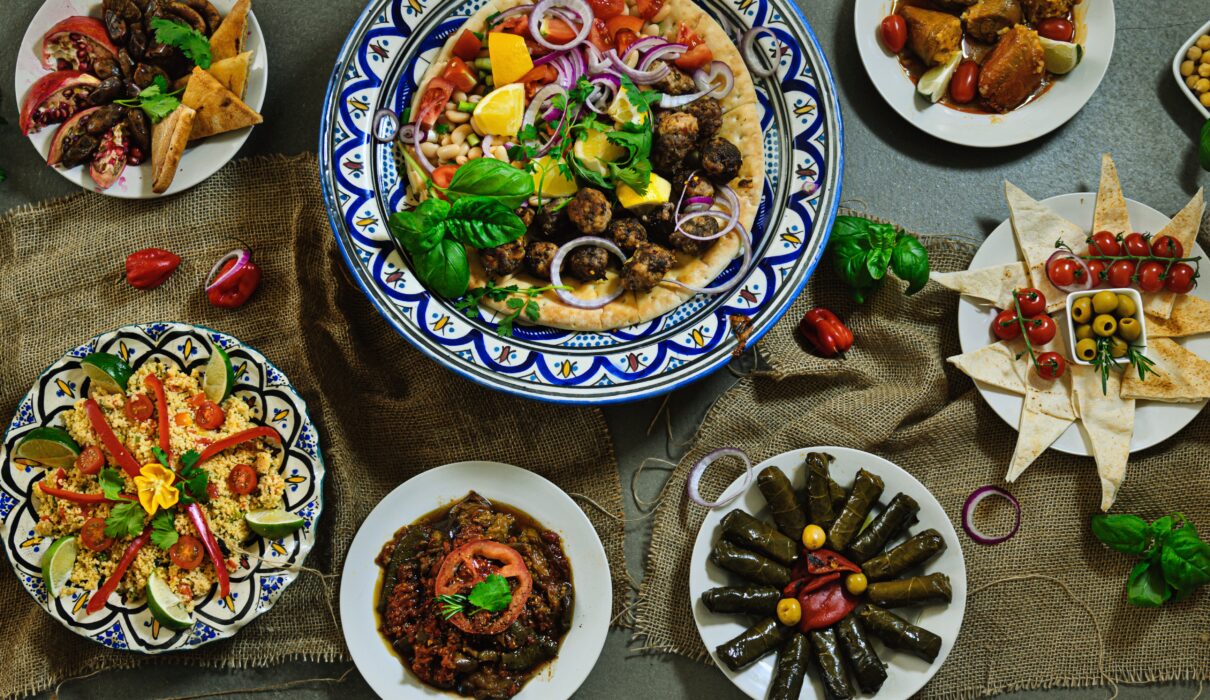
By When the sun dips below the horizon and the evening call to prayer echoes through the air, millions of people across the Middle East sit down to a meal that is much more than just food.
Ramadan, the holy month of fasting, is a time of reflection, prayer, and community. But it is also a time of incredible culinary heritage. From the narrow alleys of Cairo to the modern skyscrapers of Dubai, the “Iftar” (the meal to break the fast) is a celebration of flavors that have been passed down for generations.
Here is a guide to the most delicious and traditional foods you’ll find across the Middle East during this special month.
1. The Humble Start: Dates and Water
Before the big feast begins, the fast is almost always broken exactly how it was centuries ago: with a few dates and a glass of water or laban (a salty yogurt drink).
- Why Dates? They are high in natural sugar and potassium, giving the body an instant energy boost after a long day of fasting.
- The Variety: You’ll find everything from the soft, caramel-like Sukari dates to the meaty Mejdool dates, often stuffed with almonds or walnuts for an extra crunch.
2. Warming Up: The Soup Course
After the dates, most families start with a warm bowl of soup. This “wakes up” the stomach gently.
- Lentil Soup (Shorbat Adas): This is the undisputed king of the Ramadan table. It’s a creamy, yellow soup made from red lentils, flavored with cumin and served with a squeeze of fresh lemon and crispy fried bread (croutons).
- Harira: Popular in North Africa (like Morocco), this is a hearty soup made with chickpeas, lentils, tomato, and sometimes bits of meat. It’s a meal in itself!
3. The Main Event: Hearty Delicacies
Ramadan main dishes are usually “slow foods”—dishes that take hours to cook and are meant to be shared from large platters.
Ouzi (Roasted Lamb and Rice)
Imagine a massive plate of spiced rice, topped with slow-cooked, tender lamb that falls off the bone, sprinkled with toasted pine nuts and raisins. This is the centerpiece of many Iftar gatherings.
Harees
This is one of the oldest dishes in the Gulf region. It’s a mix of cracked wheat and meat (chicken or lamb) boiled together until it becomes a thick, porridge-like consistency. It’s simple, filling, and very easy on the stomach.
Stuffed Everything (Mahshi)
In countries like Egypt, Lebanon, and Syria, “Mahshi” is a favorite. This involves stuffing grape leaves, zucchini, eggplants, or peppers with a savory mix of rice, herbs, and spices.
4. The “Side Kicks”: Appetizers
No Middle Eastern table is complete without “Mezze” or side dishes. During Ramadan, these small bites are favorites:
- Samosas (Sambousek): These are fried or baked triangular pastries stuffed with minced meat, salty white cheese, or spiced potatoes.
- Fattoush: A refreshing salad made with mixed greens, radishes, tomatoes, and—the best part—pieces of toasted pita bread on top.
5. The Sweet Ending: Ramadan Desserts
If there is one thing people look forward to most, it’s the desserts. Ramadan has specific sweets that you rarely see during the rest of the year.
Qatayef (The Ramadan Pancake): These are small, folded pancakes. They are usually stuffed with either sweet white cheese or a crunchy mix of walnuts and cinnamon. They are folded into a half-moon shape, fried until crispy, and then dunked in a cold sugar syrup.
Kunafa (The King of Sweets): This is a legendary dessert made of very thin, shredded pastry (it looks like vermicelli). It’s layered with gooey, melted cheese or thick cream, baked until golden, and soaked in rose-water syrup. It’s the perfect mix of crunchy, sweet, and salty.
Luqaimat (Crunchy Sweet Balls): These are tiny, deep-fried dough balls. They are crunchy on the outside and airy on the soft inside. Usually, they are drizzled with sticky date syrup (called dibbs) and sprinkled with sesame seeds. They are like “Middle Eastern doughnut holes” and are dangerously addictive!
Baklava: You’ll see layers upon layers of paper-thin filo pastry filled with crushed pistachios, cashews, or walnuts. Each piece is bite-sized and dripping with honey or syrup.
Basbousa: A soft, moist cake made from semolina (a type of wheat). It’s often topped with a single almond and soaked in syrup to make it melt in your mouth.
6. Suhoor: The Pre-Dawn Fuel
Before the sun comes up again, Muslims eat a final meal called Suhoor. This meal is all about “slow-burning” energy to last through the coming day.
- Ful Medames: A popular Egyptian dish of mashed fava beans with olive oil, garlic, and lemon. It stays in your system a long time, keeping hunger away.
- Eggs and Cheese: Simple proteins paired with fresh cucumber and watermelon to stay hydrated.
Quick Tips for Joining an Iftar
If you are invited to a Ramadan dinner, here are three simple things to remember:
- Don’t be late: The meal starts exactly at sunset. If you’re late, you might miss the “opening” of the fast!
- Bring a gift: A box of high-quality dates or a tray of Arabic sweets is always the perfect gesture.
- Come hungry: Middle Eastern hospitality is legendary; your host will likely keep piling food onto your plate until you’re completely full!
Conclusion
Ramadan food is about more than just satisfying hunger; it’s about tradition, family, and the joy of sharing. Whether it’s a simple date or a complex lamb Ouzi, every bite tells a story of a culture that values generosity above all else.
