

 By
By Ever since Brexit, the media has been full of headlines predicting the “fall” of the City of London. People whispered that Paris, Frankfurt, or Amsterdam would steal the crown, leaving the UK’s capital as a quiet museum of finance.
But as we sit in February 2026, the data tells a very different story. While the map of Europe has certainly shifted, London hasn’t just survived; it has evolved.
Here is the 2026 reality of whether London is still the financial heart of the continent.
1. The “FTSE 10,000” Milestone
The biggest news of 2026 was the FTSE 100—the index of the UK’s 100 largest companies—hitting the 10,000-point mark for the first time in history.
- The Comeback: After a few years of being overtaken by Paris in total market value, London reclaimed its spot as Europe’s largest stock exchange in late 2024 and has held it firmly through 2025 and into 2026.
- Why it happened: While Paris relies heavily on luxury brands like LVMH, London’s market is more diversified across energy, banking, and a massive new wave of tech firms.
2. The “Global Hub” vs. “European Hub”
The biggest misconception is that London is fighting to be the “Heart of Europe.” In 2026, London has stopped trying to be Europe’s gateway and is instead focused on being the world’s gateway.
- The Competition: London is no longer looking at Paris or Frankfurt as its main rivals. According to the latest Global Financial Centres Index, London remains the number two financial hub in the world, sitting right behind New York and significantly ahead of any other European city.
- Foreign Exchange: London still handles nearly 40% of all global currency trading. More US Dollars are traded in London every day than in New York itself!
3. The New “Green” & “Digital” Frontier
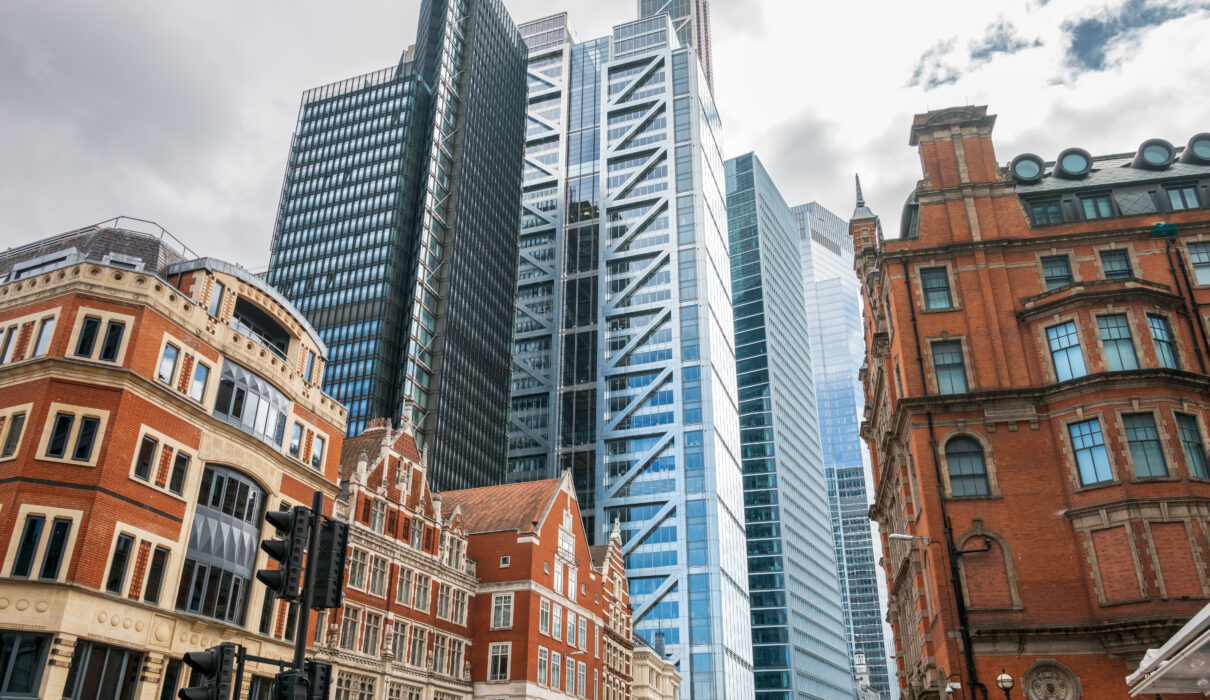
If you walk through the “Square Mile” (London’s financial district) today, the suits are still there, but the business has changed. London has rebranded itself as the world leader in two specific areas:
- Net-Zero Finance: London is now the global center for “Green Bonds” and sustainable investment. If a country wants to fund a massive climate project, they come to London to raise the money.
- The Fintech Capital: London remains the #1 spot in Europe for Fintech startups. From digital banks like Revolut and Monzo to AI-driven trading platforms, the “Silicon Roundabout” in East London is more active than ever.
4. The “Post-Brexit” Reality: A Shared Heart?
It is true that some things have moved. About 10% of banking assets and several thousand jobs did move to the EU (mostly to Paris and Dublin).
- A Fragmented Europe: Instead of one city “replacing” London, the EU’s finance is now split up. Paris got the investment banks, Frankfurt got the central banking and clearing, and Amsterdam became the hub for share trading.
- The Interdependency: Despite the politics, the UK and EU markets are still deeply connected. In 2026, roughly two-thirds of Euro-denominated trading still happens in London because the “liquidity” (the sheer amount of available money) simply doesn’t exist anywhere else in Europe.
5. What This Means for the Layman
If you are visiting or looking to work in London in 2026:
- The City is Buzzing: The “death of the office” didn’t happen here. Tuesday through Thursday, the City is packed with workers, and the luxury “Sky Gardens” and rooftop bars are busier than ever.
- It’s Expensive: Because the financial sector is thriving, London remains one of the most expensive cities on earth. Rent and “the cost of a pint” continue to rise.
- Global Talent: London has the most internationally diverse workforce of any financial center, with nearly half of all workers born outside the UK.
Conclusion
So, is London still Europe’s financial heart? The answer is: Yes, but with a different pulse. It is no longer the “exclusive” club for the EU, but it has become a “global island” that connects the US, Asia, and Europe. While Paris and Frankfurt have grown, London remains the giant that everyone else is measured against.
