

 By
By In 2026, Beirut is writing a chapter that the world didn’t think possible. Known historically as the “Phoenix of the Mediterranean,” the city has once again risen from the dust of the 2020s. This isn’t just a story of survival; it is a story of a creative, stubborn, and sophisticated homecoming.
For the 2026 traveler, Beirut offers a raw, honest beauty where historical scars meet avant-garde reconstruction. Here is the pulse of the city’s comeback.
The Port District: A Forest of Remembrance
The site of the 2020 explosion has been transformed into the Beirut Memorial Park. In 2026, it serves as the city’s largest green lung.
- The Design: Rather than just concrete, the area features “The Whispering Silos”—the preserved remains of the grain elevator surrounded by lush, Mediterranean gardens.
- The Vibe: It has become a sanctuary for morning joggers and families, symbolizing the city’s transition from tragedy to tranquility.
Mar Mikhael & Gemmayzeh: The Creative Pulse
These twin neighborhoods remain the undisputed heart of Beirut’s nightlife and arts. By 2026, the traditional Levantine houses with their triple-arched windows have been meticulously restored.
- The “Glocal” Scene: You will find world-class fashion designers like Elie Saab and Zuhair Murad housing their flagship ateliers just doors down from hole-in-the-wall manoushe bakeries.
- Nightlife 2026: Beirut’s clubbing scene is back in full force. Rooftop bars like Iris and underground bunkers like B018 are once again the highest-rated in the Middle East, proving that the city’s “party through anything” spirit is unbreakable.
Sursock Museum: The Stained-Glass Guardian
The Nicolas Sursock Museum, which was shattered in the blast, stands fully restored in 2026. Its white Italianate and Ottoman architecture is a masterpiece of the Achrafieh district.
- The Art: It houses a massive collection of modern Lebanese art. In 2026, the “Resilience Wing” features works created from the debris of the city, turning trauma into high-concept sculpture.
- The Gardens: The museum café remains the best spot in the city for a quiet café blanc (hot water with orange blossom and sugar).
The Culinary Renaissance
Beirut’s food scene in 2026 is a blend of traditional “Maza” and high-tech fusion.
- Farm-to-Table: Due to the economic shifts of the early 20s, a massive “Back to the Land” movement occurred. Restaurants like Baron and Tawlet now source 100% of their ingredients from organic mountain farms in the Bekaa Valley.
- The Signature Dish: You must try the Kibbeh Nayyeh (raw lamb with bulgur) or the modern Octopus Shawarma, a 2026 seafood twist on the street classic.
Raouche Rocks: The Eternal View
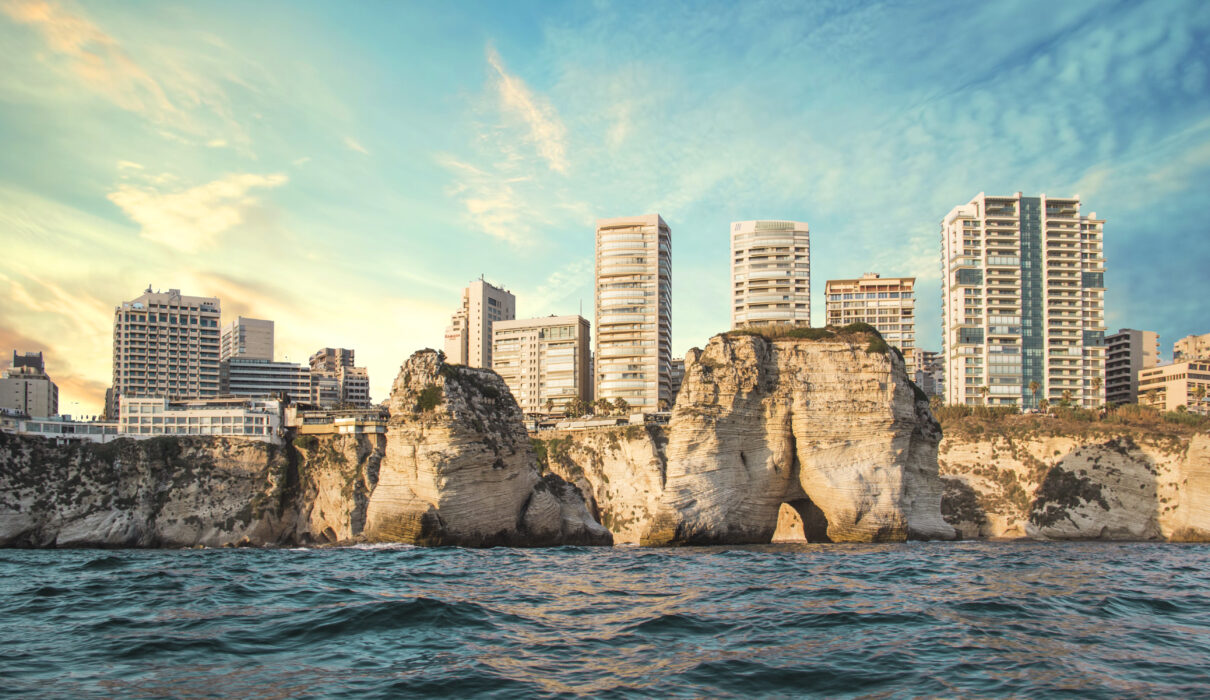
The Pigeons’ Rock off the coast of Raouche remains the city’s most iconic natural landmark.
- Sunset Rituals: In 2026, the corniche has been renovated with new solar-powered lighting and bike lanes. Watching the Mediterranean sun dip behind the rocks while sipping mint tea is the definitive Beirut experience.
- Boat Tours: You can take a small boat through the caves under the rocks, which, in 2026, are protected as a local marine sanctuary.
2026 Visitor Logistics
- The “LBP” Reality: While Lebanon uses the Lira, the “Tourist Dollar” is king in 2026. Most high-end establishments price in USD but accept cards and digital payments.
- Safety & Tech: The city has implemented the “Beirut Safe-City” app for 2026, providing real-time updates on events, transport, and 24/7 tourist assistance.
- Transport: While traffic is still a “Beirut experience,” the new Beirut-By-Bike initiative and electric tuk-tuks have made navigating the narrow streets of the East End much easier.
“Beirut in 2026 is a city that wears its history like jewelry. It is loud, it is fragrant, it is occasionally chaotic, but it is undeniably the most soulful corner of the Mediterranean.”
