

 By
By In Spain, soccer (or fútbol) isn’t just a sport—it’s a social glue, a daily ritual, and a fierce regional identity. In 2026, the country is in a state of high anticipation as it prepares for the FIFA World Cup and celebrates the return of its most iconic stadiums to the global stage.
To understand the “soul” of Spanish soccer today, you have to look beyond the scoreboard and into the streets.
The Matchday Ritual: More Than 90 Minutes
In Spain, a match is a full-day event. It doesn’t start at the whistle; it starts hours before in the plazas.
- The Pre-Match “La Previa”: Fans gather in local bars near the stadium to eat Bocadillos (baguette sandwiches with jamón or tortilla) and drink Cañas (small beers).
- The Snack of Choice: If you sit in a Spanish stadium, you will hear a constant “crunching” sound. This is the sound of thousands of fans eating Pipas (salted sunflower seeds). By the end of the game, the floor under the seats is usually covered in shells—the true mark of a Spanish football fan.
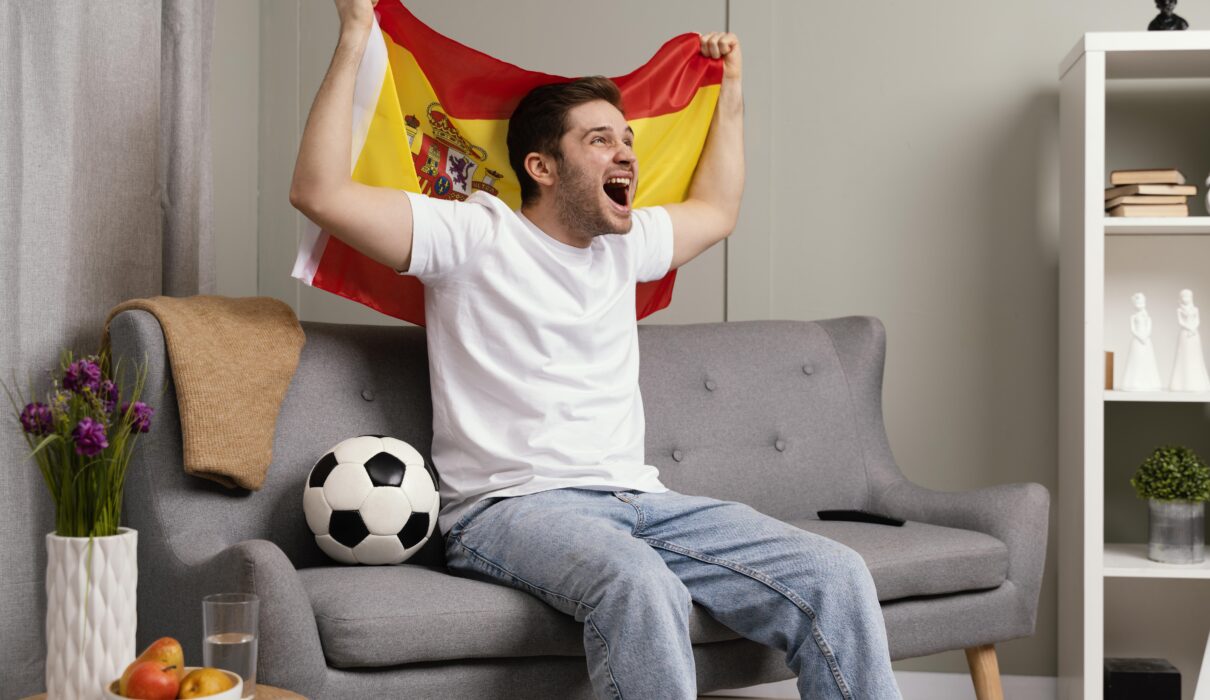
- The “Red Tide” (La Marea Roja): This is the nickname for the national team’s fans. Whenever Spain plays, major cities set up Fan Parks with giant screens, turning public squares into a sea of red and gold.
Major Shifts in 2026
The current season has brought several massive cultural shifts to the game:
- The Return to Camp Nou: After years of playing at Montjuïc, FC Barcelona has officially moved back into the legendary Spotify Camp Nou. The atmosphere is electric as fans reclaim their spiritual home in a stadium that is becoming a modern architectural marvel.
- The Xabi Alonso Era: Real Madrid is currently buzzing under the tactical leadership of Xabi Alonso. His arrival has shifted the club’s culture toward a sophisticated, high-press style that has captivated the capital’s “Madridistas.”
- Women’s Football Dominance: The Spain Women’s National Team is now a massive cultural powerhouse. Success on the world stage has led to record-breaking attendance at Liga F matches, making women’s soccer a central pillar of 2026 sports culture.
Iconic Stadium Experiences
If you are attending a game in 2026, each city offers a distinct flavor. The Santiago Bernabéu in Madrid is now fully operational with its retractable roof and 360-degree LED screen, feeling more like a futuristic temple than a stadium. Meanwhile, the Metropolitano is widely considered the loudest and most passionate fan experience in the city. In Bilbao, San Mamés remains the home of Athletic Club, which only signs players of Basque origin, offering the most “pure” and traditional footballing experience in the country.
Key Dates for the 2026 Season
While weekly match times are flexible, several major milestones are fixed for the year:
- Copa del Rey Final: April 18, 2026 (Seville, La Cartuja Stadium)
- La Liga Season Finale: May 24, 2026
- UEFA Champions League Final: May 30, 2026 (Budapest, Puskás Aréna)
- Spain’s World Cup Opener: June 15, 2026 (vs. Cape Verde)
Essential Tips for the 2026 Fan
Digital-Only Entry: By 2026, paper tickets and PDF print-outs are essentially obsolete. Almost every major club requires you to use their official app with a dynamic QR code for entry.
The 10-Day Rule: La Liga only confirms the exact day and time of a match (it could move between Friday and Monday) about 10–14 days before kickoff. Flexible travel plans are a must.
The Vocabulary: To sound like a local, use terms like Golazo (a spectacular goal), Remontada (a dramatic comeback), and Pichichi (the top scorer of the league).
“In England, they invented soccer. In Brazil, they perfected it. But in Spain, they turned it into a daily philosophy.”
