
 By
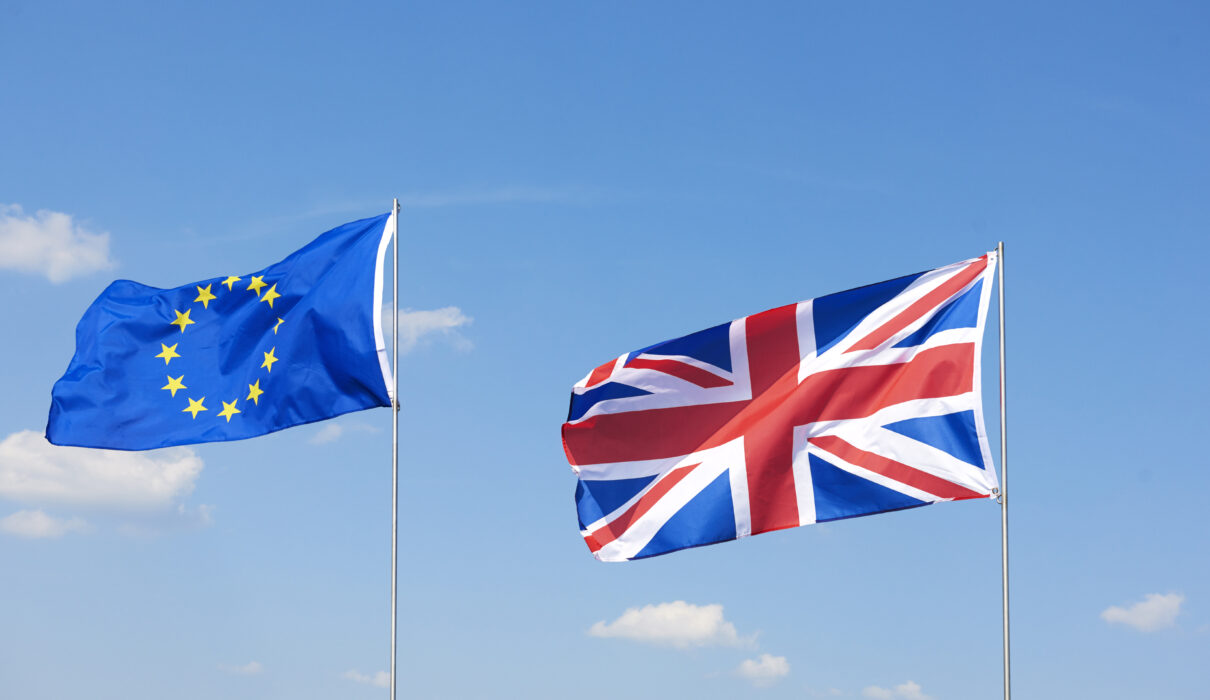
By In 2026, the conversation surrounding Post-Brexit Britain has shifted from political friction to the practicalities of a new national rhythm. While the headlines of the early 2020s were dominated by uncertainty, everyday life in the UK has settled into a reality defined by localized resilience, high-tech borders, and a distinct “British-First” approach to consumption and community.
The Digital Border and Travel
The physical friction of crossing the Channel has been largely smoothed over by the rapid deployment of “Seamless Border” technology. In 2026, the way Brits interact with Europe is defined by digital efficiency.
- The Biometric Gateway: Traveling to the continent now involves advanced biometric pre-clearance. While the physical passport remains, the “e-gate” culture has expanded, with most Londoners using mobile-linked travel authorizations that have turned the Eurostar and major airports into high-tech corridors where paper is a thing of the past.
- The Rise of the “Stay-cation” Elite: Increased administrative hurdles for European travel have solidified the “Stay-cation” as a permanent lifestyle choice. British coastal towns like Margate and St Ives have seen massive investment, transforming into luxury hubs that rival the French Riviera in quality, if not in temperature.
- The New Work-From-Anywhere Visa: Conversely, Britain has introduced specialized digital nomad visas for European creatives, ensuring that while the political union has ended, the intellectual exchange between London, Berlin, and Paris continues via a highly regulated but efficient talent pipeline.
The High Street and the “Homegrown” Plate
Perhaps the most visible change in 2026 is found on the shelves of the local supermarket. The supply chain shifts of the post-Brexit era have forced a radical and popular reimagining of the British diet.
- Hyper-Seasonality: The days of year-round imported strawberries are fading. Instead, the British public has embraced a hyper-seasonal diet. Supermarkets now prioritize “Grown in the UK” labels, and there is a renewed pride in heritage varieties of apples, potatoes, and root vegetables that were once sidelined by European imports.
- Vertical Farming Hubs: To combat reliance on external supply chains, the UK has become a world leader in urban vertical farming. Disused industrial spaces in Manchester and Birmingham now produce year-round salads and herbs using 95% less water, bringing “farm-to-table” into the heart of the city.
- The Artisan Subsidy: The government’s pivot from EU agricultural subsidies to the “Environmental Land Management” scheme has resulted in a boom for small-scale artisan producers. High streets are now filled with local cheesemongers, vineyards, and charcuteries that thrive on a “Buy British” sentiment that is more about quality than nationalism.
The Evolution of the Labour Market
The end of freedom of movement has led to a fundamental restructuring of the British workplace, resulting in what many call the “Age of the Skilled Maker.”
- The Vocational Renaissance: With fewer workers arriving from abroad for service and trade roles, there has been a massive surge in domestic vocational training. In 2026, being a skilled carpenter, electrician, or specialized agricultural tech-operator is viewed with the same prestige as a corporate role, accompanied by significantly higher wages.
- The Automation Acceleration: To fill the gaps in the workforce, British businesses have been “forced” into the future. From autonomous delivery bots on the streets of Milton Keynes to AI-driven fruit pickers in Kent, the UK is now a primary testbed for robotics, making everyday life feel subtly more futuristic than in many EU counterparts.
- Service with a Premium: The cost of service has risen, but so has the quality. Restaurants and hotels now operate with smaller, more highly trained staffs. The “tipping culture” has shifted toward a “service included” model where workers are viewed as career professionals rather than temporary staff.
The Cultural Identity: Global Britain vs. Local Pride
In 2026, the British identity is no longer defined by the struggle of leaving, but by the confidence of being “Global and Local” at the same time.
- Non-EU Integration: London’s cultural focus has widened beyond Europe. Everyday life now reflects deeper ties with the CPTPP nations and the Commonwealth, seen in everything from the rise of Vietnamese-British fusion cuisine to the influx of tech talent from India and Australia.
- The Community Hub: Without the safety net of large-scale European social funding, local councils and citizens have turned inward. The “Big Society” has finally manifested as a network of community-owned pubs, libraries, and energy co-ops, creating a sense of local agency that is stronger than it was a decade ago.
- The “British Standard” Mark: The UKCA mark has become a symbol of high-specification quality. Brits have developed a preference for “sovereign standards” in everything from data privacy to animal welfare, viewing their divergence from EU regulations as an opportunity to lead in ethical consumption.
