

 By
By In the ancient rolling hills of La Rioja and Ribera del Duero, a silent revolution is taking place. In 2026, the image of a winemaker simply “reading the sky” has been augmented by artificial intelligence. Faced with increasingly unpredictable heatwaves and water scarcity, Spain’s wine industry has turned to high-tech algorithms to protect its most liquid asset.
From the soil to the cellar, AI is now as essential as the oak barrel.
Precision Viticulture: The Digital Twin
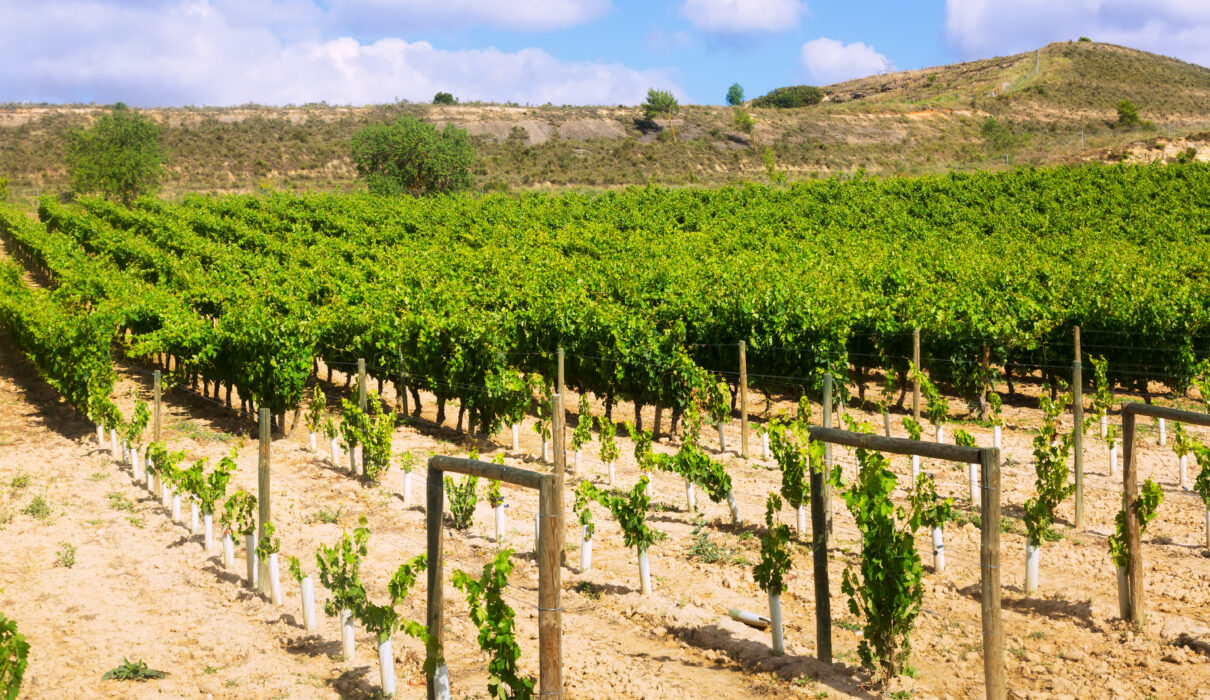
The most significant shift in 2026 is the creation of “digital twins” for vineyards. Using a combination of satellite imagery and IoT (Internet of Things) sensors buried in the earth, AI models create a virtual replica of the vineyard.
This allows winemakers to monitor the “water stress” of individual vines in real-time. Instead of irrigating an entire field, AI-controlled systems deliver precise amounts of water only to the specific rows that need it. In regions like La Mancha, this technology has led to a reduction in water usage by up to 25% this year, proving that sustainability and high-quality yields can go hand in hand.
Drones and Disease Detection
In 2026, the sky above Spanish vineyards is often dotted with specialized drones. These aren’t just for photography; they are equipped with multispectral cameras that “see” what the human eye cannot.
- Early Warnings: AI algorithms analyze drone footage to detect early signs of mildew or esca (a devastating vine disease) before visible symptoms appear.
- Targeted Treatment: By identifying exactly which plants are infected, farmers have reduced pesticide use by nearly 40% this season. This precision is a major factor in the recent surge of certified organic wines coming out of Spain.
The “Electronic Nose” in the Cellar
The innovation doesn’t stop at harvest. In 2026, several top-tier Spanish bodegas have integrated AI into the fermentation process.
Sensors inside the tanks monitor temperature, sugar levels, and chemical compounds every second. If an anomaly is detected that might “spoil” a batch or alter the flavor profile, the system sends an instant alert to the enologist’s smartphone. Furthermore, “Electronic Noses”—AI-powered sensory tools—are now used to predict how a wine will age over the next decade, helping wineries decide exactly when a vintage should be released to the market.
Combating Fraud and Counterfeiting
As the value of premium Spanish wine rises globally, so does the risk of fraud. In 2026, AI is being used as a forensic tool to verify the authenticity of high-end bottles.
By analyzing the unique chemical “fingerprint” of a wine—down to the specific mineral traces of the soil in Priorat or Jerez—AI can confirm if a bottle truly contains the vintage listed on its label. This has become a vital tool for collectors and auction houses dealing with rare Spanish Gran Reservas.
Important Events in 2026
If you want to see this technology in action, two major events are defining the “Silicon Vineyard” this year:
- AI-AGRIFOOD 2026: A major international congress held in Córdoba (March 19-20, 2026) focused on the ethical and practical application of AI in agriculture.
- The SmartWinery Demo: A large-scale industrial pilot project concluding in October 2026 across various regions, showcasing the first fully digitalized, energy-efficient wineries in Europe.
“In 2026, we aren’t replacing the soul of the winemaker; we are giving them a telescope to see into the future of their vines.”
