

 By
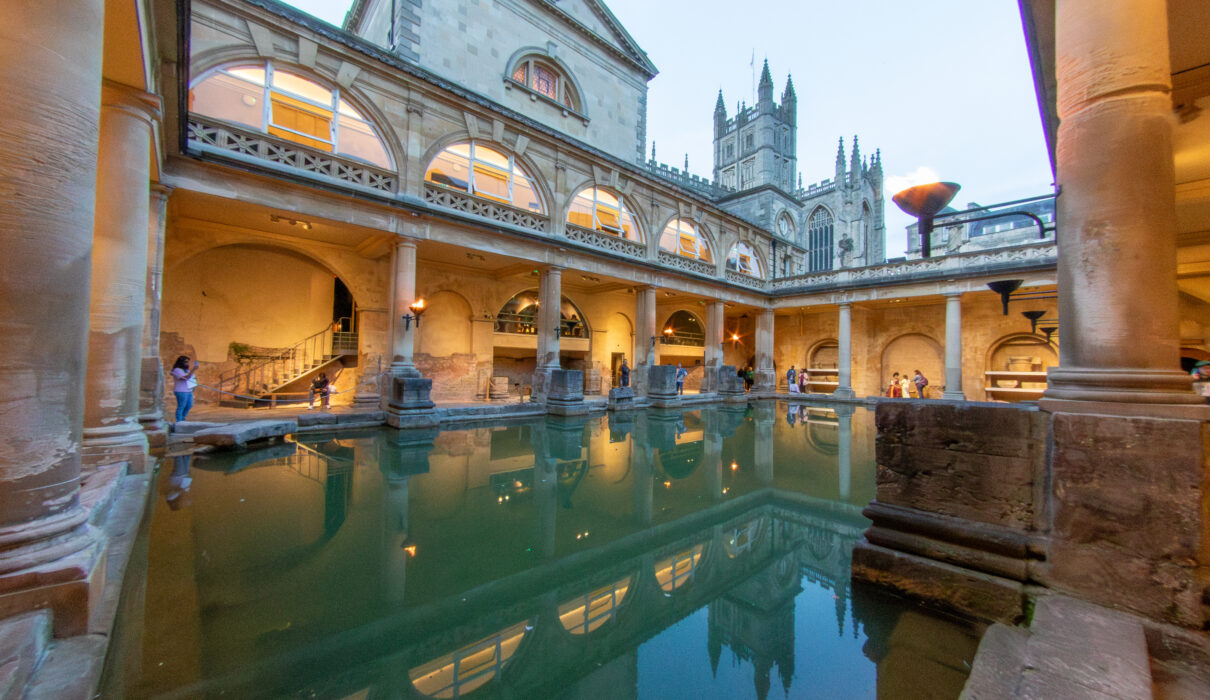
By In 2026, the UNESCO World Heritage city of Bath has entered a new era of archaeological revelation. While the Great Bath remains the iconic centerpiece, recent excavations and the 2024–2030 Management Plan have shifted the focus underground, uncovering the sophisticated “hidden” infrastructure that allowed this ancient spa to function for centuries.
Here is your guide to the Roman secrets being unearthed in the 2026 season.
The Archway Project: Accessing the Invisible
For the first time in centuries, previously inaccessible sections of the Roman complex are open to the public through the recently completed Archway Project.
- The Roman Gym: Located beneath York Street, archaeologists have fully stabilized the remains of the ancient palaestra (gymnasium). In 2026, visitors can walk through the very rooms where Romans exercised and socialized before their soak.
- The Laconicum: Excavations have revealed a rare, circular “sauna” or dry sweating room. This 2026 highlight features a perfectly preserved hypocaust (underfloor heating) system, showcasing the sheer brilliance of Roman thermal engineering.
- Red-Painted Walls: Recent chemical analysis of wall plaster suggests the entire Great Bath complex wasn’t just cold stone—it was likely painted a vibrant, deep Roman red, a discovery that has fundamentally changed the 2026 visual reconstructions of the site.
The Sacred Spring & The Curse Tablets
The heart of the site is the Sacred Spring, where 1.1 million liters of 46°C water still rise daily. In 2026, new digital displays have brought the “voices of the spring” to life.
- The Messages to Sulis: Archaeologists have recovered over 130 “curse tablets”—lead sheets inscribed with pleas to the goddess Sulis Minerva. In 2026, a new interactive exhibit allows you to “decode” these tablets, which mostly complain about stolen cloaks or bathhouse petty crimes.
- The Hidden Outflow: In an incredible engineering feat, the Abbey Footprint Project continues to utilize the Roman-engineered outflow to provide low-carbon geothermal heating for Bath Abbey, proving that Roman infrastructure is still functionally relevant in 2026.
2026 Immersive Experiences
- Archaeology Adventures: Running throughout the 2026 season (with special sessions in April and May), the museum has launched hands-on workshops where visitors can join “mini-digs” in replica trenches.
- Easter Lates: From April 3 to April 6, 2026, the Baths remain open after dark. Seeing the steam rise from the Great Bath by torchlight, with the silhouettes of the Victorian statues above, is widely considered the city’s most atmospheric 2026 experience.
- World Heritage Day: On April 18, 2026, the city celebrates its dual UNESCO status with special behind-the-scenes tours and events at the Guildhall and the Roman Baths.
2026 Visitor Tips
- Book the “Passport”: In 2026, the most popular ticket is the “Georgians to Romans” package. It pairs a visit to the Baths with a Champagne Brunch in the Pump Room, accompanied by the resident trio.
- Avoid the Midday Rush: The Baths are busiest between 11:00 AM and 3:00 PM. In 2026, the “Early Bird” 9:00 AM entry offers the best photography light and the quietest access to the new underground vaults.
- The Spa Water Taste: At the end of your tour, you can still drink the spa water from a fountain in the West Baths. It contains 43 minerals and tastes distinctly “metallic”—a rite of passage for every visitor.
“To explore Bath in 2026 is to realize that the Romans didn’t just build a bathhouse; they built a temple to the earth’s heat. Beneath the Georgian streets, the steam of the ancient world is still rising.”
