

 By
By The Burnt Basque Cheesecake (known in Spain as Tarta de Queso) has officially transcended its status as a trend to become a permanent pillar of Spanish gastronomy. In 2026, this “intentionally imperfect” masterpiece continues to outperform every other dessert on menus from San Sebastián to Seville.
The Beauty of the Burn
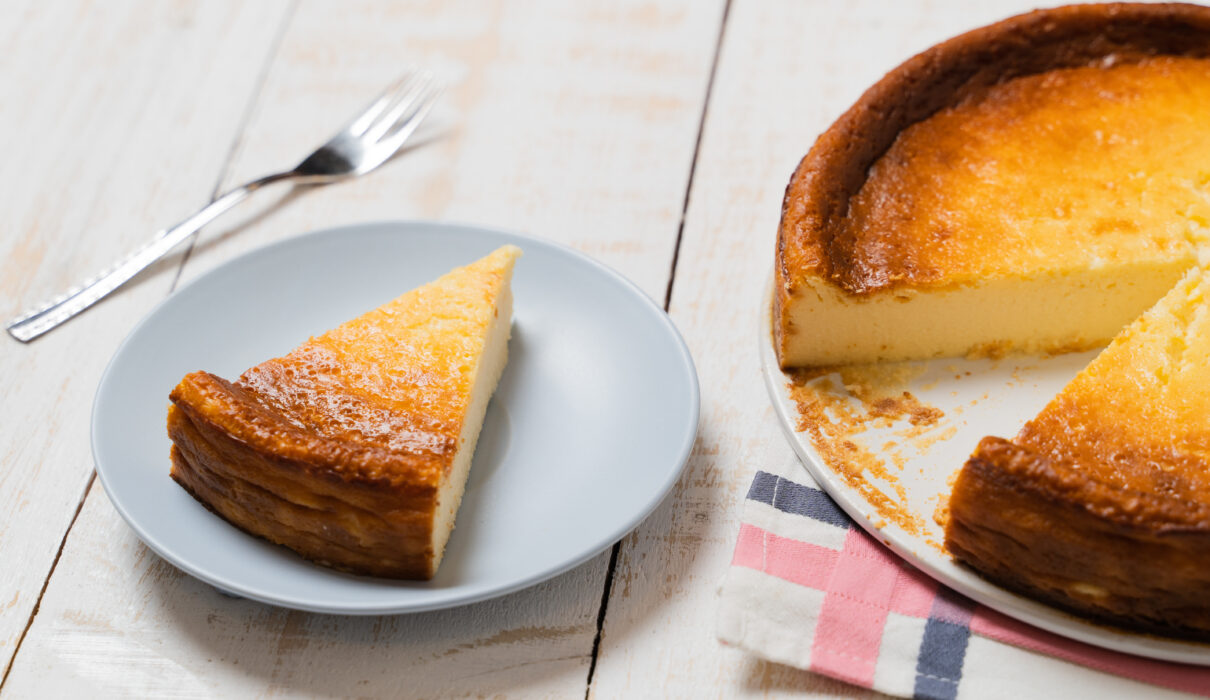
What sets the Basque version apart from its New York cousin is the high-heat baking process. By ditching the water bath and cranking up the oven, chefs create a deeply caramelized, almost charred exterior.
In 2026, the “perfect burn” is a science. The bitterness of the dark top provides a sophisticated counterpoint to the ultra-creamy, custard-like center. It isn’t just a cake; it’s a study in textures—firm on the edges and nearly molten in the middle.
Why It Dominates in 2026
The cheesecake’s continued reign is fueled by its versatility. While the original recipe from La Viña in San Sebastián used only five ingredients (cheese, cream, sugar, eggs, and a touch of flour), modern Spanish pastry chefs are pushing the boundaries:
- Blue Cheese Infusions: A rising 2026 favorite, where a hint of pungent Cabrales or Gorgonzola is added to the batter for a savory-sweet depth.
- Smoked Variations: Using lightly smoked goat cheese to enhance the “burnt” profile of the crust.
- Individual Portions: Moving away from large slices to mini “lava” versions that flow when cut open.
The “No-Crust” Revolution
A major reason for its popularity is the absence of a biscuit crust. This makes the Burnt Basque Cheesecake naturally gluten-free (when the tiny amount of flour is swapped for cornstarch), fitting perfectly into the 2026 dietary landscape without sacrificing an ounce of indulgence.
How to Enjoy It Like a Local
In Spain, this dessert isn’t just for after dinner. In 2026, it has become a staple of the “Merienda” (afternoon snack), often paired with a glass of sweet Sherry or a dry sparkling Cava. The acidity of the wine cuts through the richness of the cheese, making it the ultimate Spanish treat.
