

 By
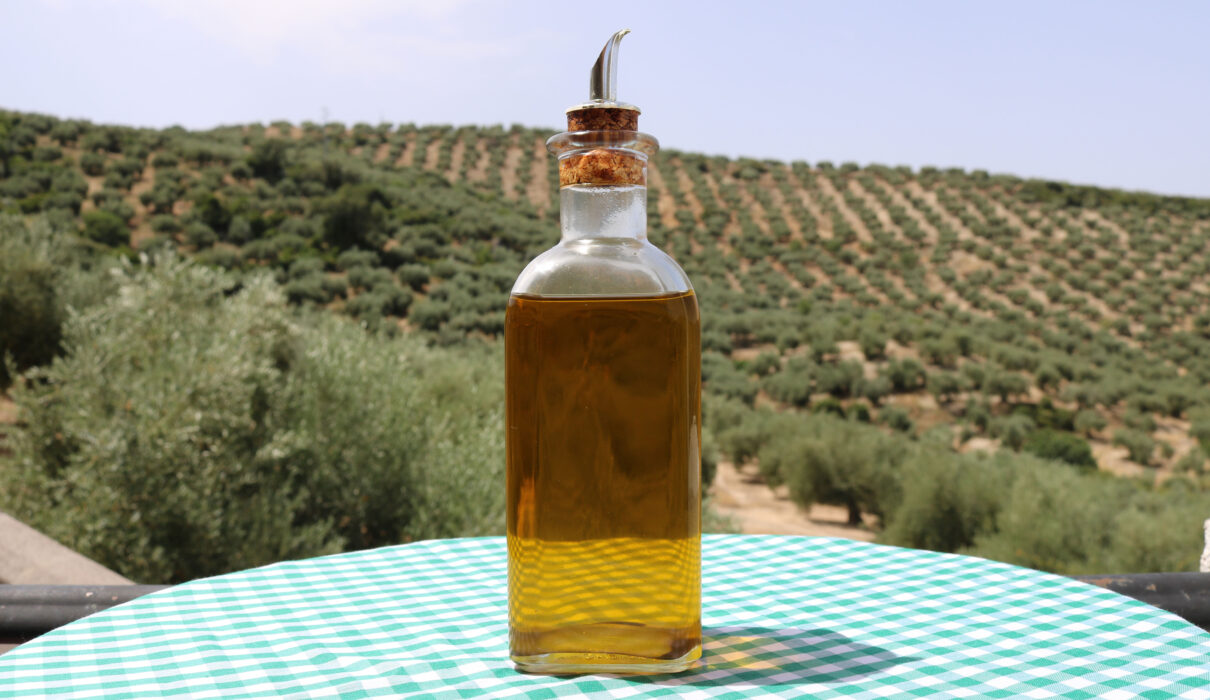
By In the rolling hills of Andalusia, one province produces more olive oil than the entire country of Italy. This is Jaén, the undisputed global capital of “Liquid Gold.” In 2026, the region has transformed from a quiet agricultural giant into a world class destination for Oleotourism, where high tech milling meets ancient groves.
Whether you are a culinary enthusiast or a nature lover, here is why Jaén belongs on your 2026 itinerary.
1. The Sea of Olives: A Living Monument
The landscape of Jaén is unlike anything else on Earth. With over 66 million olive trees, the view from the mountains looks like a never ending silver green sea.
- The UNESCO Bid: In 2026, the “Landscapes of the Olive Tree” are a primary focus for heritage protection, highlighting the 2,000 year history of oil production that dates back to the Roman Empire.
- The Picual King: Over 90% of the trees here are the Picual variety. In early 2026, local producers like Pago de Espejo took home Gold Awards at the NYIOOC World competition, proving that Jaén’s oil is as prestigious as the finest French wines.
2. The 2026 Harvest Season
The best time to visit for the “full experience” is between October and early December.
- Early Harvest (Cosecha Temprana): In 2026, there is a massive trend toward “Early Harvest” oils. These are pressed from green, unripe olives, resulting in an oil that is intensely vibrant, peppery, and packed with antioxidants.
- The Martos Olive Festival: If you visit around December 8, 2026, head to the town of Martos. They host the famous Fiesta de l’Aceituna, where you can join locals in a mass breakfast of “hoyos”—fresh bread drenched in newly pressed oil.
3. The Vía Verde del Aceite (The Oil Greenway)
For active travelers, the Vía Verde del Aceite is one of Spain’s most spectacular cycling and hiking routes.
- The Route: A 128 km car free path that follows an abandoned 19th century railway line once used to transport oil barrels.
- The Highlights: You will cross 13 massive iron viaducts (some designed by the school of Gustave Eiffel) that bridge deep ravines, offering bird’s eye views of the endless groves below.
- 2026 Safety Note: Following some spring storms, always check the official Vías Verdes website for the latest 2026 track updates before setting off.
4. Modern Almazaras: Where Art Meets Oil
The traditional “mill” has evolved. In 2026, Jaén is home to “Mill 4.0” facilities that look more like art galleries than factories.
- AOVEland (Baeza): This state of the art mill offers immersive audiovisual journeys that explain the “alchemy” of cold extraction.
- Picualia (Bailén): Frequently cited as the most technological mill in Spain, they offer sensory tastings where you learn to identify aromas of tomato, artichoke, and freshly cut grass in the oil.
- Oleícola San Francisco: Located near the UNESCO cities of Úbeda and Baeza, this family run spot offers a perfect blend of ancient hydraulic presses and modern centrifuges.
5. Expoliva 2026: The Global Epicenter
If you are in the industry or a serious foodie, the Expoliva 2026 fair in Jaén city is the world’s largest olive oil event. It features over 38,000 square meters of exhibition space, showcasing everything from AI driven harvest sensors to the latest gourmet blends from 14 different countries.
💡 2026 Traveler Tips
- Taste Before You Buy: Professional tasters use blue glass cups so the color of the oil doesn’t bias their judgment. Look for “Extra Virgin” (EVOO), which must have an acidity level below 0.8%.
- The UNESCO Duo: Use the stunning Renaissance cities of Úbeda and Baeza as your base. They are just 15 minutes apart and offer incredible tapas scenes where every dish is elevated by the local oil.
- Oleotour Jaén: Look for the “Oleotour Jaén” seal on restaurant and hotel doors—it signifies a curated experience that guarantees high quality local products.
“In Jaén, olive oil is not an ingredient; it is a philosophy. It is the gold that you can eat, and in 2026, it is the heartbeat of Andalusian culture.”
