

 By
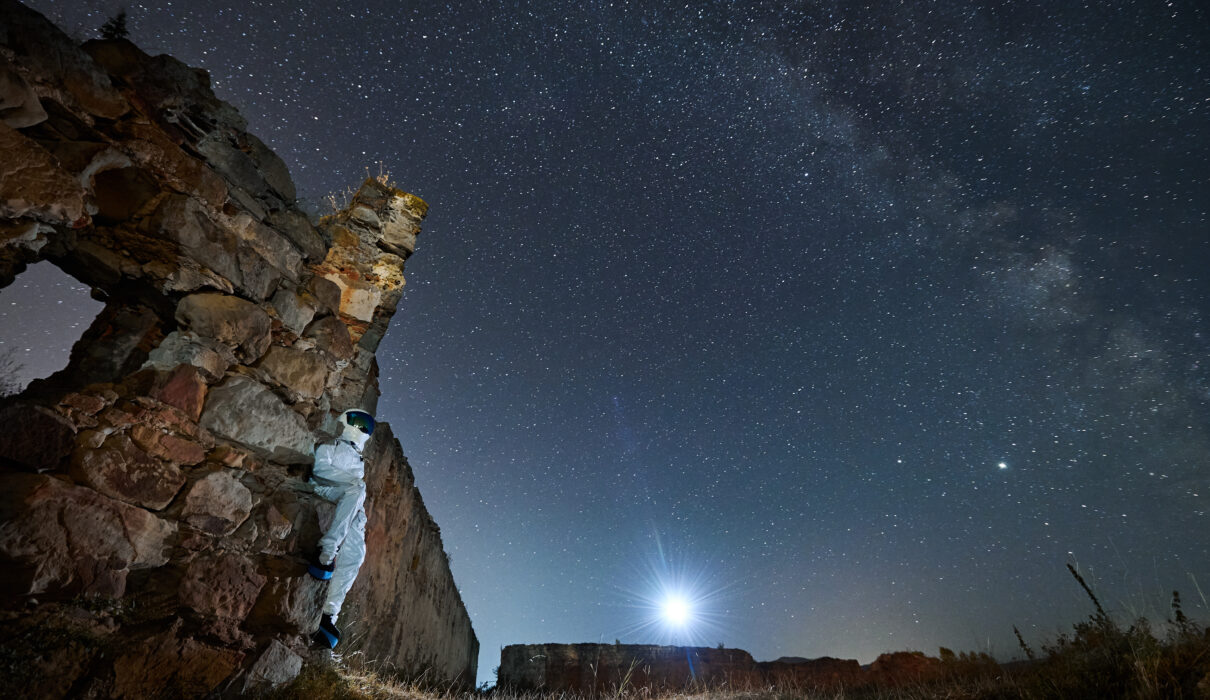
By In 2026, Great Basin National Park in Nevada has solidified its reputation as the “darkest of the dark.” As an International Dark Sky Park with a Bortle Class 1 rating—the highest possible score for darkness—it offers a celestial display that is increasingly rare. In 2026, the trend of “Astrotourism” has turned this remote wilderness into a premier glamping destination for those seeking the Milky Way in high definition.
Here is how to experience glamping under the stars in the Great Basin for the 2026 season.
The Great Basin Basecamp Experience
Located just outside the park gates in the tiny town of Baker, the Great Basin Basecamp has become the 2026 hub for “off-grid luxury.” It offers a curated bridge between the rugged desert and high-end comfort.
- Canvas Comfort: The site features heavy-duty safari-style tents equipped with memory foam mattresses, local artisanal linens, and wood-burning stoves for the crisp high-desert nights.
- Astro-Focused Design: The tents are strategically spaced to prevent light “spill” from neighbors, and the camp uses only red-light exterior lanterns to preserve your natural night vision.
- 2026 Tech: Many tents now come with portable power stations for astrophotography rigs and tablets pre-loaded with interactive star maps of the Nevada sky.
Hidden Canyon Retreat: Secluded Luxury
Situated 15 miles south of Baker, Hidden Canyon Retreat offers a more established glamping-style experience on a private ranch, tucked away in a verdant canyon that feels like a secret world.
- The Setting: Surrounded by 1,000-foot limestone cliffs, this retreat offers a “natural amphitheater” for stargazing. The canyon walls effectively block any distant light glow from the Loneliest Road (Hwy 50).
- The “Starbed” Experience: Some units offer outdoor seating areas specifically designed for overnight sky viewing, complete with weighted blankets to keep the 7,000-foot elevation chill at bay.
- Nature Pairing: In the mornings, the retreat offers guided treks to see the 5,000-year-old Bristlecone Pines, the oldest living organisms on Earth, located just a short drive away within the park.
2026 Celestial Events at Great Basin
Planning your glamping trip around the 2026 lunar cycle is essential. This year features several high-impact events perfect for desert viewing.
- The Perseid Meteor Shower (August 12–13, 2026): With a New Moon in 2026, the sky will be at its absolute darkest during the peak of the Perseids. Expect to see up to 90 meteors per hour streaking over the Wheeler Peak glacier.
- Total Lunar Eclipse (March 3, 2026): For early-season glampers, the “Blood Moon” will be visible in its full coppery glory over the Great Basin’s snowy peaks.
- The Planetary Parade (May 2026): A rare alignment of five planets will be visible to the naked eye shortly after sunset, stretching across the vast desert horizon.
The “Park to Park in the Dark” Route
New for 2026, many glampers are using Great Basin as the anchor for the “Park to Park in the Dark” road trip. This is Nevada’s first official astronomy route.
- The Connection: This route connects Great Basin National Park with Death Valley National Park, passing through five “stellar” rural towns that have committed to zero light pollution.
- The Passport: Travelers can collect digital stamps at glamping sites along the route to earn a commemorative 2026 “Dark Sky Defender” badge.
- Death Valley Superbloom: If you visit in early spring 2026, the southern end of this route is experiencing its best wildflower superbloom in a decade due to record winter rains.
Essential Glamping Tips for 2026
- Altitude Awareness: Remember that much of the glamping in this region occurs at 6,000 to 7,000 feet. Hydration is key to avoiding altitude sickness while you star-watch.
- Red-Light Only: To be a responsible astrotourist in 2026, only use red-light flashlights. White light can take your eyes up to 30 minutes to recover for optimal star viewing.
- Booking Windows: Because Great Basin remains “one of the least visited” parks, it is a haven for solitude, but the few luxury glamping spots fill up 6–8 months in advance for the September Astronomy Festival.
“In the Great Basin, the stars don’t just twinkle; they pulse. By 2026, this has become the place where the world comes to remember what a true night sky looks like.”
