

 By
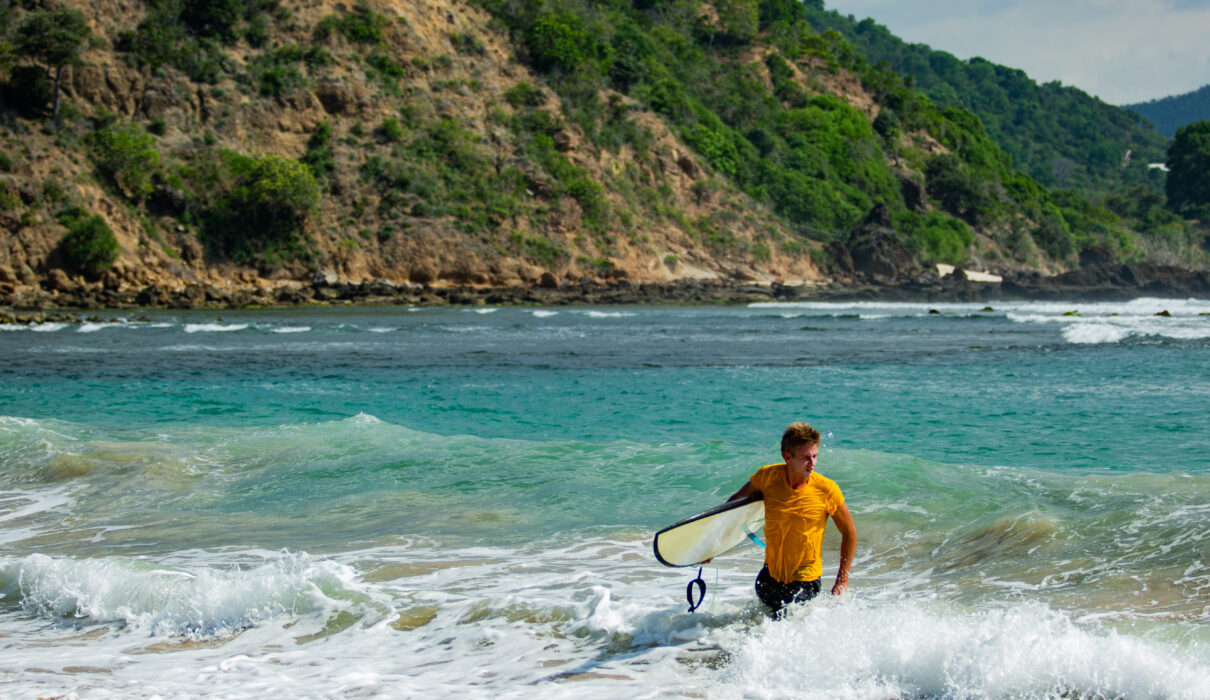
By In 2026, Asturias (known as the “Green Coast” of Spain) has solidified its reputation as the wild, untamed alternative to the crowded breaks of the Basque Country. With over 300 kilometers of jagged limestone cliffs and cider-orchard backdrops, the region offers a raw surfing experience where the mountains literally meet the sea.
Here is your guide to the 2026 surf season in Asturias.
The Big Three: Essential Breaks
- Rodiles (Villaviciosa): The “Mundaka of Asturias.” This world-class rivermouth produces a hollow, powerful left-hander that can tube for over 100 meters. In 2026, it remains a “pros-only” zone during big winter swells, and localism is respected—don’t drop in on the locals here.
- Salinas (Castrillón): The longboarding capital of Europe. This 3-kilometer stretch of sand is the heartbeat of Asturian surf culture. In 2026, it hosts the EUROSUP 2026 (European Stand Up Paddle Championships) from July 25–27, integrated into the iconic Salinas Longboard Festival.
- Tapia de Casariego: The historic cradle of Spanish surfing. Located on the western edge, this spot features two breaks: a reliable sandy beach break and a legendary left that breaks over rock at mid-tide. It’s famous for its “big-wave” atmosphere in a tiny, picturesque fishing village.
The “Wild” Alternatives
For those looking to escape the 2026 crowds:
- Playa de Xagó: A raw, wind-whipped expanse near Avilés. It’s a “swell magnet”—if there are no waves anywhere else, Xagó will have a ridable peak.
- Vega Beach (Ribadesella): A UNESCO-protected site surrounded by cliffs. It is a stunning, uncrowded beach break that feels like surfing at the edge of the world.
- San Martín (Llanes): Accessible only by a coastal footpath, this is the 2026 “secret spot” for those willing to hike. It’s a beautiful beach break framed by dramatic karst rock formations.
2026 Seasonal Guide
- Autumn (September–November): The Golden Season. The water is still warm from summer, the “Neste” (Northeast) winds die down, and the powerful Atlantic swells begin to arrive.
- Winter (December–February): For the hardcore. You’ll need a thick 4/3mm or 5/4mm wetsuit. This is when the “Big Wave” spots like The Mongol in Gijón come alive.
- Spring/Summer (May–August): Perfect for beginners and surf camps. The waves are smaller and the “surf-and-chill” vibe is at its peak in towns like Ribadesella and Gijón.
2026 Insider Tips
- The “Cider” Rule: Post-surf recovery in Asturias is done at a Sidrería. In 2026, the tradition of “escanciar” (pouring cider from a height to aerate it) is still mandatory. Never pour your own—let the waiter do it.
- Tide Awareness: The tides in the Cantabrian Sea are dramatic (up to 4 meters). Many beaches, like San Martín, completely disappear at high tide. Always check a 2026 tide app before making the trek down a cliff path.
- Eco-Surfing: 2026 has seen a surge in “Green Surf Camps.” Spots like Carver Club or NaturAsturias focus on zero-plastic policies and offer “Surf & Yoga” retreats that include coastal cleanup sessions.
“Surfing in Asturias isn’t just about the wave; it’s about the 20-minute hike through a pine forest, the smell of damp earth, and the first sight of a turquoise peak breaking against a wall of grey stone.”
