

 By
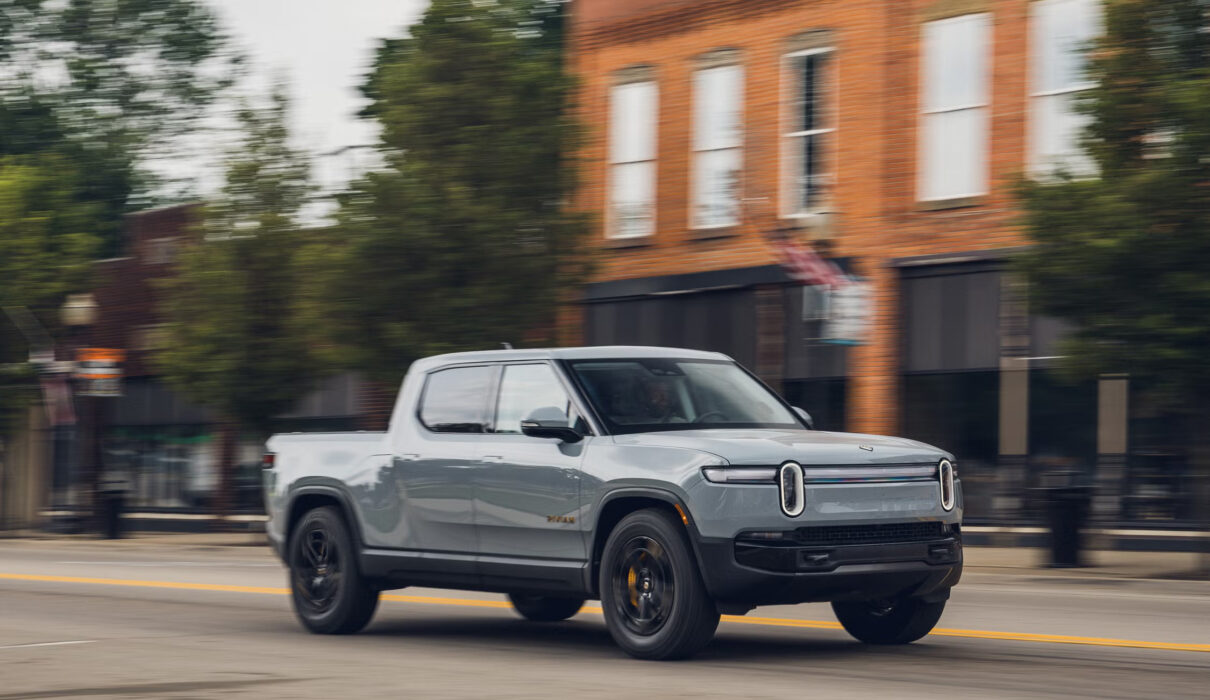
By The vast heartland of the USA is currently undergoing a quiet but powerful transformation. In 2026, the classic image of the dusty, diesel-chugging farm truck is being replaced by a new icon of American utility: the high-capacity electric pickup. Far from being a niche suburban novelty, these battery-powered heavy-lifters have become the backbone of rural economies from Montana to Mississippi, proving that the future of agriculture and ranching is as much about kilowatts as it is about horsepower.
To Know More:- Miami Art Basel: What to Expect
Power Beyond the Pavement
The primary driver of this rural boom isn’t just fuel savings; it is the sheer versatility of the vehicle as a mobile power plant. In the remote stretches of the Midwest, where the nearest grid connection might be miles away, these trucks have become indispensable.
- The Mobile Job Site: Farmers in 2026 are utilizing “Exportable Power” to run heavy-duty welders, saws, and even livestock cooling systems directly from the truck’s battery. This eliminates the need for noisy, fuel-heavy portable generators and allows for repairs to be made deep in the field.
- Vehicle-to-Home (V2H) Resilience: In regions prone to severe weather, these pickups serve as the ultimate insurance policy. When a storm knocks out local power lines, a fully charged electric truck can keep a farmhouse’s essential appliances and well pumps running for days, turning a vehicle into a vital survival tool.
- Unprecedented Torque: For towing heavy trailers of grain or livestock, the instant torque provided by electric motors has become a game-changer. The ability to pull massive loads up steep inclines with zero “gear hunting” or engine strain has won over even the most skeptical traditionalists in the ranching community.
Building the Rural Charging Web
One of the most significant shifts in 2026 is the disappearance of “range anxiety” in the American countryside. The infrastructure has moved beyond the city centers to meet the needs of the rural driver.
- Farm-Based Solar Integration: Many rural owners are now “fueling” their own trucks. By installing high-capacity solar arrays on barn roofs, they can charge their fleets for free, effectively decoupling their transportation costs from the volatility of global oil prices.
- The Cooperative Network: Local electric cooperatives across the USA have led the charge in installing ultra-fast chargers at grain elevators, local diners, and hardware stores. These hubs have become the “new town squares” where neighbors catch up while their trucks gain hundreds of miles of range in under twenty minutes.
- High-Density Battery Technology: By 2026, new solid-state battery options have pushed the range of these pickups past the 500-mile mark, even when fully loaded. This ensures that a day spent hauling equipment across vast Texas counties doesn’t require a midday stop at a plug.
Ruggedization for the Heartland
The electric pickups of 2026 are built to a standard of durability that exceeds their internal combustion predecessors. Manufacturers have realized that for a truck to succeed in rural America, it must be able to withstand extreme conditions.
- Environmental Shielding: The undercarriages of these vehicles are now fully armored to protect battery packs from rock strikes, thick mud, and the corrosive salts used on winter roads in the Dakotas.
- Simplified Maintenance: With far fewer moving parts than a traditional engine, the “down-time” for these trucks is minimal. There are no oil changes, transmission flushes, or spark plug replacements, allowing farmers to spend more time working and less time in the repair shop.
- Biometric Security and Tracking: In an era where equipment theft can be a major concern, these trucks feature advanced GPS-linked security. Owners can track their vehicles and even lock out the drivetrain remotely, providing peace of mind when trucks are left in distant pastures overnight.
A New Chapter for the American Rancher
This transition is about more than just technology; it represents a new era of self-reliance. By embracing electric power, the rural American worker is gaining a level of energy independence that was previously impossible.
- Silent Operations: The near-silent nature of electric driving has a surprising benefit for livestock management. Ranchers have noted that quiet trucks are far less stressful for cattle and horses, making the process of checking fences and moving herds much more efficient.
- The Frunk Advantage: The removal of the bulky engine has created the “Frunk”—a massive, weather-sealed front trunk. This has become the preferred spot for storing sensitive tools, veterinary supplies, and electronics that need to stay dry and secure in the field.
- Legacy and Longevity: In 2026, these trucks are being viewed as 20-year investments. The longevity of electric drivetrains means that today’s purchase is likely to be the truck that the next generation of the family will eventually learn to drive on the farm.
To Know More:- Why Seattle’s Tech Scene is Booming