

 By
By In 2026, the fitness culture of the American West Coast is undergoing a technological metamorphosis. California, long the epicenter of wellness and outdoor lifestyle, has moved beyond simple moisture-wicking fabrics to a new frontier: Bio-Adaptive Sportswear. This second-skin technology represents a leap from passive clothing to active performance partners that respond to the wearer’s physiological state in real-time.
The Science of Responsive Textiles
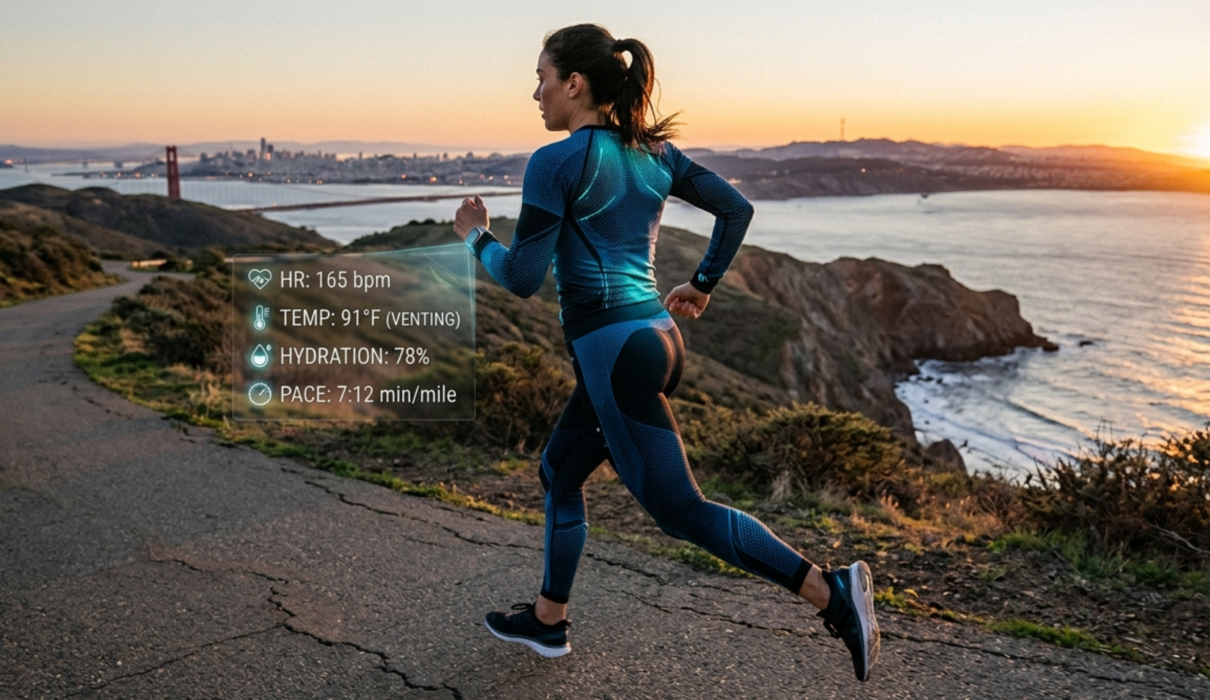
The hallmark of bio-adaptive gear in 2026 is the integration of programmable fibers. These materials are engineered at a molecular level to react to the micro-climate between the skin and the fabric. As a runner moves through the varying temperatures of the San Francisco fog or the dry heat of a Los Angeles canyon, the clothing physically alters its structure.
- Thermal Venting: When the body’s core temperature rises, the microscopic pores in the fabric expand to increase breathability. Conversely, as the body cools down during a rest period, these pores contract to trap heat and prevent muscle stiffness.
- Haptic Feedback: Embedded sensors within the weave provide subtle vibrations to the athlete. In California’s high-performance yoga and Pilates studios, this tech is used to correct posture and alignment without the need for a physical instructor to intervene.
- UV-Reactive Shielding: Given the intense California sun, these garments now feature adaptive UV protection that strengthens its SPF rating as solar intensity increases, ensuring maximum safety during long Pacific Coast trail runs.
Integrating Health with High Performance
For the California athlete, bio-adaptive clothing is more than just gym wear; it is a mobile diagnostic lab. By 2026, the data collected by your leggings or compression shirt is seamlessly synced with your digital ecosystem, providing a level of insight previously reserved for professional Olympians.
- Lactate and Hydration Monitoring: Specialized sensors in the underarm and lower back areas analyze sweat composition to track electrolyte loss and lactate thresholds, sending push notifications to the wearer’s watch when it is time to hydrate.
- Muscle Recovery Management: Through the use of infrared-reflecting minerals embedded in the yarn, these garments facilitate faster blood flow and oxygenation to the muscles, significantly reducing recovery times after a grueling surf session or mountain bike ride.
- Stress and Breath Regulation: By monitoring heart rate variability (HRV) and respiratory depth, the sportswear can detect when an athlete is entering a state of high stress, triggering the connected audio system to play calming frequencies or guided breathing cues.
The Sustainability Shift in California Design
In line with the state’s aggressive environmental goals, the 2026 bio-adaptive movement is rooted in circularity. California designers have rejected petroleum-based synthetics in favor of lab-grown proteins and recycled ocean plastics that do not sacrifice performance for ethics.
- Carbon-Negative Production: Many of these high-tech fabrics are now produced using algae-based polymers that actually sequester carbon during the manufacturing process.
- Infinite Recyclability: At the end of its life cycle, a bio-adaptive garment can be returned to the manufacturer, where the “smart” components are harvested and the fibers are enzymatically broken down to create a brand-new piece of kit.
- Waterless Dyeing: Utilizing supercritical CO2 instead of water, the California fashion industry has virtually eliminated the toxic runoff traditionally associated with vibrant, high-visibility athletic apparel.
A New Era of Physical Sovereignty
The rise of bio-adaptive sportswear in California marks a shift in how humans relate to their environment. In 2026, we no longer just “wear” clothes; we inhabit an interface that enhances our natural capabilities. As these technologies become more accessible, the barrier between the amateur enthusiast and the elite athlete continues to dissolve, fueled by the innovation and spirit of the Golden State.
