 By
By In the cultural fabric of France in 2026, the midday break is far more than a pause for fuel. It is a protected social institution that defies the global trend of “desktop dining.” While the rest of the world has succumbed to the convenience of the hurried salad, the French remain steadfast in their commitment to the Long Lunch, viewing it as a daily renewal of both the body and the social bond.
To Know More:- Is London Still Europe’s Financial Heart?
A National Resistance to the “Hasty Bite”
The French lunch break typically spans between one and two hours, a duration that is culturally—and often contractually—respected. In 2026, this practice has become a symbol of resistance against the digital acceleration of the workplace.
- The Gastronomic Break: In France, eating is a sensory experience that requires focus. By stepping away from the screen, workers allow their digestive systems to function properly and their minds to reset, leading to a significant drop in afternoon “brain fog” across the French workforce.
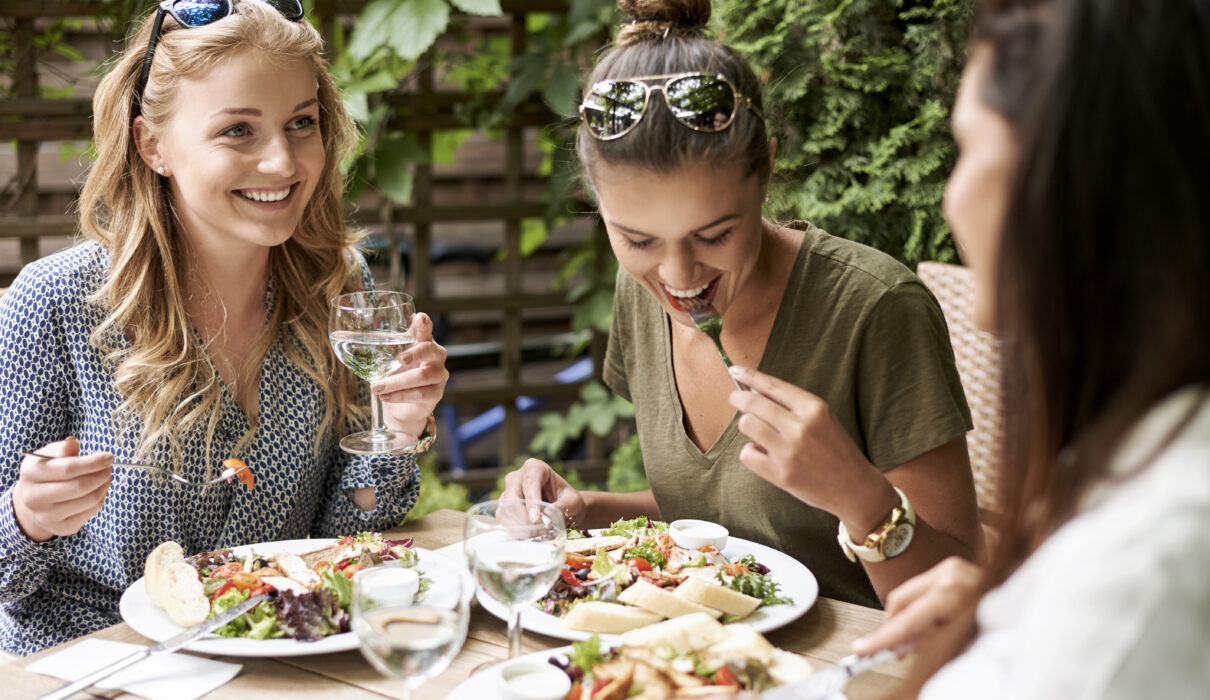
- The Social Glue: The lunch table is where the hierarchy of the office softens. In 2026, it is common for managers and interns to dine together, discussing everything from philosophy to weekend plans. This ritual builds a level of “Social Capital” that cannot be replicated in a formal meeting room.
- Legal Protections: It is worth noting that French labor codes have historically prohibited employees from eating lunch at their workstations. In 2026, this remains a cornerstone of workplace design, ensuring that offices are equipped with communal dining spaces or that employees are encouraged to frequent local “Bistrots.”
The Anatomy of the 2026 Midday Meal
Even as dietary habits evolve toward more sustainable and plant-forward options, the structure of the meal remains remarkably traditional.
- The Three-Course Logic: Even a simple workday lunch often follows the “Entrée-Plat-Dessert” or “Plat-Dessert-Café” sequence. This structure ensures a balanced intake and encourages a slower pace of consumption, which is key to the French paradox of health and indulgence.
- The Rise of the “Local Plate”: In 2026, the long lunch is increasingly defined by “Ultra-Proximity.” Restaurants in business districts like La Défense in Paris or the tech hubs of Toulouse now prioritize ingredients sourced from urban farms and local cooperatives, making the lunch break an act of environmental support.
- The Digital Blackout: A striking feature of the French lunch table in 2026 is the absence of smartphones. It is considered an “impolitesse” (rudeness) to place a phone on the table, as the time is reserved exclusively for the people present and the food served.
Beyond the Office: A Lifestyle Anchor
The ritual of the long lunch extends beyond the corporate world into the very rhythm of French towns and cities.
- The Noon-Day Silence: In many regions outside of the major metropolises, shops and services still close between 12:00 and 14:00. This ensures that everyone, from the baker to the bank teller, has the right to a proper meal and a moment of repose.
- The School Refectory: The philosophy begins early. French schoolchildren are taught the importance of the long lunch from a young age, with multi-course meals served in school “cantines” that focus on food education and the pleasure of the table.
- The Weekend Long Lunch: On Sundays, this ritual expands even further, often lasting three to four hours. In 2026, this remains the primary way French families reconnect, proving that the lunch table is the ultimate “slow-tech” platform for deep communication.
Why the World is Adopting the French Model
As global corporations in 2026 grapple with an epidemic of loneliness and employee burnout, many are looking to the French long lunch as a solution. It is a “Wellness Strategy” that requires no expensive equipment—only a chair, a plate, and the permission to stop. By prioritizing the human need for connection and rest in the middle of the day, France demonstrates that productivity is not a constant upward line, but a wave that requires a trough of stillness to maintain its peak.
To Know More:- Exploring the Medieval Streets of Canterbury